Most insulation systems do not fail during installation. They fail months later.
Heat loss increases. Surface temperatures fluctuate. Moisture starts building under cladding. Maintenance teams step in more often than planned.
In many UAE plants, this happens because the material does not match the operating conditions. High heat, humidity, and continuous load expose these gaps quickly.
This is where calcium silicate insulation keeps showing up in critical systems.
This blog looks at where it actually performs better, where other materials fall short, and what factors matter before selection.
If your insulation choice affects uptime, safety, and long-term cost, this is a decision you cannot afford to get wrong.
What Is Calcium Silicate Insulation?
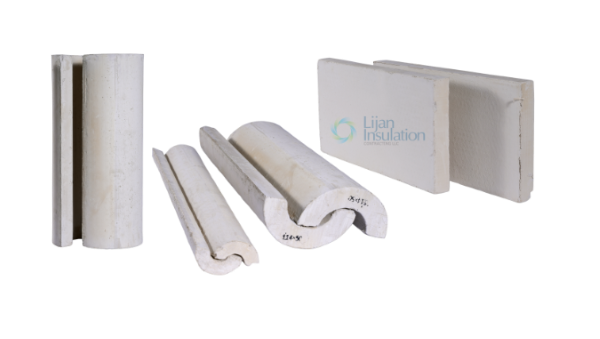
Calcium silicate insulation is a rigid, high temperature insulation used in industrial systems where shape and performance must stay consistent over time.
It is not a soft or flexible material. It is formed into solid blocks or pipe sections that hold their structure under load.
That is the key difference. It insulates while carrying weight.
What Sets It Apart in Practice:
- Maintains thickness even under continuous pipe load
- Handles high operating temperatures without breakdown
- Does not sag or settle over time
- Provides stable support for piping systems
Where You Will See It Used?
- Steam lines and process piping
- Boilers and high temperature vessels
- Refineries and power plants
Most Insulation Failures Start with the Wrong Assumptions
The material usually gets blamed. The decision rarely does. Most teams assume temperature is the only factor. It is not. Load, moisture, and operating cycles matter just as much.
When these are missed, the system starts breaking down in ways that are easy to overlook at first.
- Insulation compresses under load and loses thickness
- Heat loss increases even when the system looks intact
- Moisture gets trapped and reduces performance
- Surface protection starts failing from the inside
|
Here is a familiar case.
A power facility in Jebel Ali installs mineral wool on high-temperature lines. It performs well initially. Within months, sections begin to sag under load. Moisture builds up under cladding.
Heat loss rises. Maintenance steps in.
The issue was not installation. It was the assumption that all high-temperature insulation behaves the same.
|
That is where most problems begin.
Benefits of Calcium Silicate Insulation for UAE's Oil, Gas & Power Plants
In UAE plants, insulation is not just about temperature control. It is about consistency under pressure. This is where calcium silicate stands out.
1. Maintains Performance Under Continuous High Heat
Industrial systems in the UAE do not get downtime.
- Handles sustained high temperatures without breakdown
- Maintains thermal efficiency over long operating cycles
- Reduces heat loss even in high ambient conditions
This keeps systems stable without frequent intervention.
2. Resists Compression in Heavy Industrial Setups
Pipelines and equipment apply constant load on insulation.
- High compressive strength prevents deformation
- Maintains thickness and insulation value over time
- Reduces performance drop caused by material settling
This is critical in long pipe runs and supported sections.
3. Reduces Moisture-Related Failures
Humidity and condensation are constant concerns.
- Less prone to performance loss due to moisture
- Works effectively with proper cladding systems
- Helps avoid hidden degradation under insulation
This improves reliability in coastal and high-humidity environments.
4. Supports Safer Operating Conditions
Surface temperature control is not optional.
- Keeps external surfaces within safe limits
- Reduces risk of heat exposure for personnel
- Improves overall system safety
5. Lowers Long-Term Maintenance Demand
Frequent maintenance disrupts operations.
- Maintains structure and performance over time
- Reduces need for replacement or repair
- Minimises downtime caused by insulation failure
|
Simple Takeaway: Calcium silicate does not just insulate. It holds performance steady in conditions where other materials start breaking down.
|
How Calcium Silicate Compares with Other Industrial Insulation Materials in UAE?
Most comparisons stop at thermal performance. That is not enough.
In UAE conditions, insulation fails because of load, moisture, and long operating cycles. Not just temperature.
This is where material behaviour starts to separate.
1. Calcium Silicate Vs Mineral Wool
Mineral wool is widely used across plants. It performs well in controlled conditions.
But under load and moisture, it starts losing consistency.
- Mineral wool compresses over time under pipe weight
- Gaps form, which increase heat loss
- Moisture retention reduces thermal efficiency
Calcium silicate stays rigid.
- Maintains thickness under load
- Keeps thermal performance stable
- Less affected by long-term compression
2. Calcium Silicate Vs Polyurethane Foam
Polyurethane works well in low to medium temperature systems.
High temperature environments expose its limits.
- Thermal degradation at elevated temperatures
- Reduced structural strength over time
- Not suitable for sustained high heat applications
Calcium silicate insulation handles higher temperature ranges without losing form or performance.
3. Calcium Silicate Vs Aerogel-Based Insulation
Aerogel offers excellent thermal resistance with thinner profiles.
But it comes with practical constraints.
- Higher material cost
- Requires careful handling and installation
- Not always ideal for heavy-duty industrial loads
Calcium silicate insulation provides a more stable option where durability and load-bearing matter.
Before getting into applications, this comparison table helps to see how these materials behave under real operating conditions.
| Factor |
Calcium Silicate Insulation |
Mineral Wool |
Polyurethane Foam |
Aerogel Insulation |
| Temperature range |
Handles high temperature systems consistently |
Suitable for medium to high, performance drops over time |
Limited to low and medium temperature |
Performs across wide range but depends on application |
| Compressive strength |
High, maintains shape under load |
Low, compresses under sustained weight |
Moderate, not suited for heavy load |
Low to moderate, depends on structure |
| Moisture behaviour |
Stable with proper system protection |
Absorbs moisture and loses efficiency |
Sensitive to moisture over time |
Hydrophobic but requires careful sealing |
| Durability in continuous operation |
High, maintains performance over long cycles |
Degrades under load and moisture |
Degrades at high temperature |
Stable but sensitive to handling |
| Maintenance frequency |
Lower when installed correctly |
Higher due to compression and moisture |
Moderate, depends on environment |
Moderate to high due to installation sensitivity |
| Cost over lifecycle |
Lower due to durability and stability |
Higher due to replacement and maintenance |
Moderate but limited application |
Higher due to material and handling cost |
Choose calcium silicate insulation when performance needs to stay stable under load and heat.
- High temperature systems
- Long horizontal piping
- Continuous operation
- Load-bearing insulation areas
- Moisture-prone environments
- Limited maintenance access
It works best where softer insulation starts losing shape or performance over time.
Common Mistakes in Selecting and Installing Industrial Insulation
Most insulation issues are not technical. They come from decisions made too early or without full context.
1. Selecting Based on Thermal Value Alone
Thermal conductivity looks good on paper.
But it does not reflect real operating conditions.
- Ignores load on insulation over time
- Misses impact of continuous operation
- Overlooks material behaviour under stress
This leads to performance drop even when specs look correct.

2. Ignoring Compressive Strength in Piping Systems
Insulation does not sit freely. It carries load.
- Pipe weight compresses softer materials
- Thickness reduces over time
- Heat loss increases without visible damage
This is common in long horizontal runs.
3. Treating Moisture Protection as a Secondary Step
Moisture is not an external issue. It becomes internal.
- Condensation forms under cladding
- Insulation performance drops silently
- Corrosion risk increases around piping
If this is not addressed early, failure is gradual but constant.
4. Poor Coordination Between Insulation and Cladding
Insulation does not work alone.
- Gaps between systems allow moisture ingress
- Improper sealing reduces protection
- Installation inconsistencies affect performance
System failure often starts at these interfaces.
5. No Consideration for Maintenance Access
Designs often focus only on installation.
- Limited access to valves and joints
- Difficult inspection points
- Maintenance requires partial dismantling
This increases downtime during routine checks.
Conclusion
Insulation is easy to get installed. It is harder to get right. In UAE conditions, performance depends on how well the system handles heat, load, and moisture over time. That is where experience makes the difference.
Lijan Group works as a full-scope insulation and climatization contractor. They do not just supply material. They design, install, and maintain systems that perform under real operating conditions.
That approach reduces failures, lowers maintenance pressure, and keeps operations stable.
If your insulation is only meeting specs on paper, it is time to rethink it. Talk to Lijan Group and get a system that actually holds up on site.
FAQs
1. What is calcium silicate insulation used for?
It is used in high temperature systems like pipes, boilers, and process equipment.
2. Why is calcium silicate insulation preferred in oil and gas plants?
It maintains shape under load and performs well in continuous high heat conditions.
3. Is calcium silicate better than mineral wool insulation?
It performs better under load and moisture, especially in high temperature applications.
4. How long does calcium silicate insulation last in industrial systems?
It lasts longer when properly installed with effective cladding and moisture protection.
5. What factors should be considered before selecting industrial insulation?
Temperature, load, environment, moisture risk, and long-term maintenance requirements.