Be it commercial, industrial, or marine, regardless of which of these categories your project falls into, insulation is not something you can afford to risk getting wrong. Factors including thermal, acoustic, fire safety, and moisture control depend on the insulation material you choose, particularly its quality. Picking the right Rockwool insulation material supplier in Dubai can influence your project outcomes in ways you never imagined. It can easily be the difference between a project that runs smoothly for decades and one that needs a pricey rework within a few years.
This is especially important considering Dubai’s harsh climate conditions. High humidity, extreme heat, and coastal salty winds, and constant exposure to them can put real stress on the insulation systems. Sourcing Rockwool insulation from the right suppliers, such as us at Lijan Group, matters a lot here given the strict fire codes for commercial towers, performance demands for industrial plants, and marine-grade certifications for vessels and offshore platforms.
Finding a reliable Rockwool insulation material supplier in Dubai is not as easy as it may seem. It calls for a partner who is capable of delivering certified, marine-grade, and industry-duty thermal barriers that withstand the Middle Eastern climate and maritime conditions, and Lijan Group is exactly that.
This guide is designed to walk through what separates a dependable Rockwool insulation from one that is sold as boxes off the shelf with no quality assurance behind it.
Why Rockwool is the Preferred Choice in the UAE
Rockwool is a familiar name, and so is mineral wool, though it often comes as a surprise that the two are actually the same.
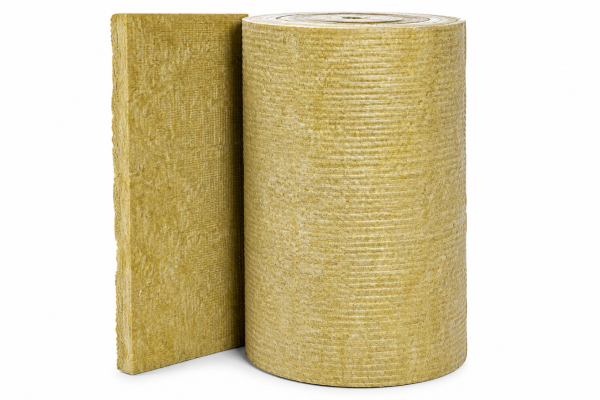
Mineral wool, or Rockwool, is a kind of insulation material that is made by melting basalt rock and spinning it into fine fibers. The final product handles heat, fire, and sound in ways that practically no other insulation materials can match. This is one of the reasons why Rockwool has become the standard choice across commercial buildings, marine vessels, and industrial plants in the UAE.
- Heat resistance: Rockwool is known for its high thermal performance, keeping heat where it is supposed to. The insulation reduces the load on HVAC systems in a climate as extreme as Dubai's, where cooling system costs add up faster.
- Fire resistance: As mentioned already, the material can withstand extremely high temperatures. Even better, it does not burn. This characteristic is very important for buildings that are expected to meet Dubai Civil Defence fire codes.
- Moisture resistance: Rockwool does not easily lose its insulating properties. It holds up in humid as well as marine environments, just as it does in high-temperature conditions.
- Acoustic control: In places where you require sound dampening, Rockwool is your go-to. This is especially important in places such as hospitals, hotels, residential areas, and offices.
- Durability: The system or structure in which Rockwool is integrated can last its lifetime without regular maintenance.
Just like everything that is in high demand, the market for Rockwool is very much crowded. Finding the right Rockwool insulation material supplier in Dubai is not an easy task among a whole heap of options. It requires a lot of thought and consideration of factors such as the quality and source of the material, along with price and certifications.
How to identify a reliable Rockwool insulation material supplier in Dubai?
Plenty of companies list Rockwool on their website, but the real questions are whether they understand the material, stock it, or can they support a project through to completion? The answer to these questions is what sets a reliable Rockwool supplier apart from the crowd.
1. Manufacturer partnerships and certification
When sourcing any material, one of the important details is where they are being manufactured, since this is the key quality decider that directly influences the durability, performance, and lifespan of that material. This is no different when it comes to Rockwool; a reliable supplier will have clear records of where they are sourcing it and what certifications back it up.
For commercial buildings, the material should be fire-rated and meet local Civil Defence requirements. For offshore and shipping projects, class-approved products that match marine and industry classification standards matter most.
Questions to ask a supplier,
- The name and details of the manufacturer
- If the product is class-approved for marine use, where relevant
- If they can provide fire test certificates and technical data sheets on request
Move forward with the purchase only if the supplier gives satisfactory answers to these questions, among other things.
2. Stock availability
Project timelines in Dubai rarely leave much room to spare. Schedules run extremely tight, which leaves little option to wait weeks for imported materials to arrive.
This becomes especially critical in maritime projects, where a vessel cannot sit idle at the dock, and in industrial shutdown projects, where downtime carries a direct cost. A reliable Rockwool insulation material supplier in Dubai is expected to keep stock on hand locally to avoid this waiting period, which makes lead times and local stock availability worth confirming before signing anything.
3. Technical support and project experience
A supplier who disappears after the sale, offering no further technical support or guidance, is a real risk worth avoiding. What actually matters is real contracting experience and hands-on expertise, not just a sales desk, since factors like thermal performance under actual site conditions, thickness calculations, and correct installation methods all affect how well the insulation performs over time. This is why experienced contractors like Lijan Group double down as suppliers in the UAE market, bringing recommendations grounded in practical know-how rather than a catalogue pitch.
4. Marine-specific expertise
Not all insulation requirements are the same, even when the underlying material is basically identical. Marine-based projects bring their own factors to weigh, including salt air, tight compartments, vibration, and strict classification society requirements. Rather than a marine product simply listed on a website, a Rockwool insulation material supplier in Dubai needs proven marine project experience for work involving ship accommodation areas, engine rooms, or offshore platforms.
Frequently Asked Questions
1. How do I ensure if a supplier’s rockwool is genuine and certified?
You can start by asking for details about the manufacturer they source the material from. You can also ask for technical data sheets and other relevant documents such as fire test reports or marine class approvals. A good Rockwool insulation material supplier in Dubai will provide these documents on demand.
2. Does Lijan Group only supply materials or do you install as well?
We operate as both a supplier and contractor. Lijan Group offers rockwool materials along with installation, maintenance, and repair services for industrial, commercial, and marine insulation systems
3. Is there any significant difference between commercial and industrial rockwool insulation?
Yes, there is. Commercial rockwool is commonly used in walls, ceilings, and partitions for fire safety and acoustic control in buildings. On the other hand, industrial rockwool is engineered to handle much higher service temperatures. They are often used to insulate pipes, boilers, and equipment in plants and refineries.
